Cognitive Theory of Multimedia Learning
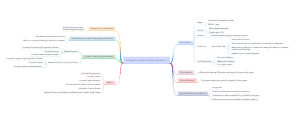
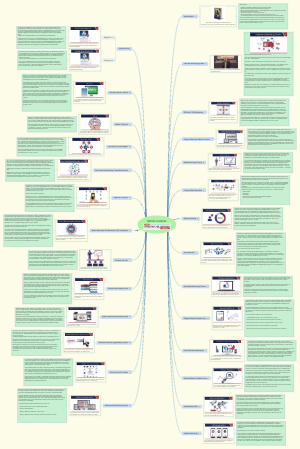
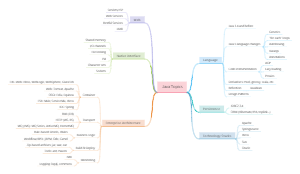
The Cognitive Theory of Multimedia Learning (CTML) proposes that people learn effectively when presented with information in multiple formats (e.g., text and visuals) that engage different senses. CTML emphasizes the role of active processing, where learners actively select, organize, and integrate information. This theory underscores the importance of pre-existing knowledge, attention, and motivation in multimedia learning. This is a mind map about Cognitive Theory of Multimedia Learning. The map contains 12 main branches, namely: The Coherence Principle, The Signing Principle, The Redundancy Principle, The Spatial Contiguity Principle, The Temporary Contiguity Principle, The Segmenting Principle, The Personalization Principle, The Multimedia Principle, The Modality Principle, The Pre Training Principle, The Image Principle, The Voice Principle. Each main branch has a detailed description of its sub branches. Suitable for people interested in multimedia learning.
Edited at 2024-03-06 01:06:07
- 12 Principles of Cognitive Theory in Multimedia Learning
The principles of multimedia learning cognitive theory reveal how humans effectively learn and recognize through multimedia information (such as text, images, sound, etc.). It emphasizes the interaction between the way information is presented and the cognitive process, which helps optimize teaching design and improve learning outcomes. By reasonably combining multimedia elements, reducing cognitive load, and enhancing learning experience, this theory has a wide range of applications in the field of education, which helps to cultivate learners' thinking and innovation abilities. This is a mind map about 12 Principles of Cognitive Theory in Multimedia Learning. The map contains 12 main branches, namely: The Coherence Principle, The Signing Principle, The Redundancy Principle, The Spatial Contiguity Principle, The Temporary Contiguity Principle, The Segmenting Principle, The Personalization Principle, The Multimedia Principle, The Modality Principle, The Pre Training Principle, The Image Principle, The Voice Principle. Each main branch has a detailed description of its sub branches. Suitable for people interested in multimedia learning.
- Cognitive Theory of Multimedia Learning
The Cognitive Theory of Multimedia Learning (CTML) proposes that people learn effectively when presented with information in multiple formats (e.g., text and visuals) that engage different senses. CTML emphasizes the role of active processing, where learners actively select, organize, and integrate information. This theory underscores the importance of pre-existing knowledge, attention, and motivation in multimedia learning. This is a mind map about Cognitive Theory of Multimedia Learning. The map contains 12 main branches, namely: The Coherence Principle, The Signing Principle, The Redundancy Principle, The Spatial Contiguity Principle, The Temporary Contiguity Principle, The Segmenting Principle, The Personalization Principle, The Multimedia Principle, The Modality Principle, The Pre Training Principle, The Image Principle, The Voice Principle. Each main branch has a detailed description of its sub branches. Suitable for people interested in multimedia learning.
Cognitive Theory of Multimedia Learning
- 12 Principles of Cognitive Theory in Multimedia Learning
The principles of multimedia learning cognitive theory reveal how humans effectively learn and recognize through multimedia information (such as text, images, sound, etc.). It emphasizes the interaction between the way information is presented and the cognitive process, which helps optimize teaching design and improve learning outcomes. By reasonably combining multimedia elements, reducing cognitive load, and enhancing learning experience, this theory has a wide range of applications in the field of education, which helps to cultivate learners' thinking and innovation abilities. This is a mind map about 12 Principles of Cognitive Theory in Multimedia Learning. The map contains 12 main branches, namely: The Coherence Principle, The Signing Principle, The Redundancy Principle, The Spatial Contiguity Principle, The Temporary Contiguity Principle, The Segmenting Principle, The Personalization Principle, The Multimedia Principle, The Modality Principle, The Pre Training Principle, The Image Principle, The Voice Principle. Each main branch has a detailed description of its sub branches. Suitable for people interested in multimedia learning.
- Cognitive Theory of Multimedia Learning
The Cognitive Theory of Multimedia Learning (CTML) proposes that people learn effectively when presented with information in multiple formats (e.g., text and visuals) that engage different senses. CTML emphasizes the role of active processing, where learners actively select, organize, and integrate information. This theory underscores the importance of pre-existing knowledge, attention, and motivation in multimedia learning. This is a mind map about Cognitive Theory of Multimedia Learning. The map contains 12 main branches, namely: The Coherence Principle, The Signing Principle, The Redundancy Principle, The Spatial Contiguity Principle, The Temporary Contiguity Principle, The Segmenting Principle, The Personalization Principle, The Multimedia Principle, The Modality Principle, The Pre Training Principle, The Image Principle, The Voice Principle. Each main branch has a detailed description of its sub branches. Suitable for people interested in multimedia learning.
- Recommended to you
- Outline
 Duplicate
 Duplicate
 Duplicate
 Duplicate
 Duplicate
 Duplicate
 Duplicate
 Duplicate
 Duplicate
 Duplicate