Exreme Animals
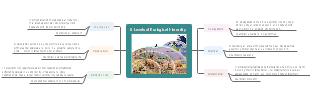
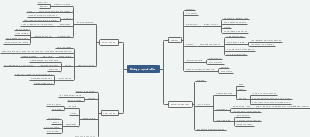
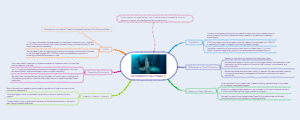
In every corner of the Earth, there are some extreme animals known for their unique way of survival and amazing adaptability. These "extreme animals" not only include animals living in extreme environments, such as the polar and deep sea, but also those with extreme living habits, such as cheetahs running at high speeds and camels that do not drink water for long periods of time. They adapt to the environment in unexpected ways, challenging our understanding of animals. The survival strategies and physiological characteristics of these animals not only amaze us at the wonders of nature, but also give us a deeper understanding of the adaptability and resilience of life. This is a mind map about extreme animals. The map contains three main branches, namely: land, square, and semi square. Each main branch has detailed descriptions of multiple sub branches. Suitable for people interested in extreme animals.
Edited at 2024-01-18 07:44:00
- 태극기
EdrawMind를 사용하여 제작된 ’태극기‘에 대한 마인드 맵입니다. 태극기의 세 가지 주요 측면, 즉 "태극", "근원의 태극기", 그리고 "현대의 태극기"로 분류되어 있으며, 각각의 주요 분류 아래에서 태극기의 다양한 측면과 역사적 사건이 상세하게 탐구됩니다. 이 마인드맵은 태극기에 대한 깊이 있는 이해와 한국 문화 및 역사에 대한 인식을 증진시키는 데 유용합니다. 학생, 교육자 및 역사에 관심 있는 사람들에게 특히 유익할 수 있습니다.
- 제국을 세운 알렉산드로스와 옥타비아누스
이 마이드 맵은 고대 로마와 고대 그리스의 발전과 함께 알렉산드로스와 옥타비아누스 두 인물의 업적을 시각적으로 정리한 것입니다. 이 마이드 맵을 사용하여 알렉산드로스와 옥타비아누스의 업적을 비롯한 고대 로마와 그리스의 역사를 효과적으로 이해하고, 역사적 사건들 간의 관계를 명확히 파악할 수 있습니다. EdrawMind를 사용하면 복잡한 역사적 내용을 시각적으로 정리하고 이해하기 쉽게 만들 수 있습니다.
- Exreme Animals
In every corner of the Earth, there are some extreme animals known for their unique way of survival and amazing adaptability. These "extreme animals" not only include animals living in extreme environments, such as the polar and deep sea, but also those with extreme living habits, such as cheetahs running at high speeds and camels that do not drink water for long periods of time. They adapt to the environment in unexpected ways, challenging our understanding of animals. The survival strategies and physiological characteristics of these animals not only amaze us at the wonders of nature, but also give us a deeper understanding of the adaptability and resilience of life. This is a mind map about extreme animals. The map contains three main branches, namely: land, square, and semi square. Each main branch has detailed descriptions of multiple sub branches. Suitable for people interested in extreme animals.
Exreme Animals
- 태극기
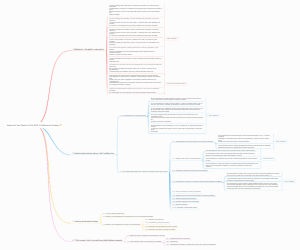
EdrawMind를 사용하여 제작된 ’태극기‘에 대한 마인드 맵입니다. 태극기의 세 가지 주요 측면, 즉 "태극", "근원의 태극기", 그리고 "현대의 태극기"로 분류되어 있으며, 각각의 주요 분류 아래에서 태극기의 다양한 측면과 역사적 사건이 상세하게 탐구됩니다. 이 마인드맵은 태극기에 대한 깊이 있는 이해와 한국 문화 및 역사에 대한 인식을 증진시키는 데 유용합니다. 학생, 교육자 및 역사에 관심 있는 사람들에게 특히 유익할 수 있습니다.
- 제국을 세운 알렉산드로스와 옥타비아누스
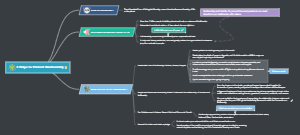
이 마이드 맵은 고대 로마와 고대 그리스의 발전과 함께 알렉산드로스와 옥타비아누스 두 인물의 업적을 시각적으로 정리한 것입니다. 이 마이드 맵을 사용하여 알렉산드로스와 옥타비아누스의 업적을 비롯한 고대 로마와 그리스의 역사를 효과적으로 이해하고, 역사적 사건들 간의 관계를 명확히 파악할 수 있습니다. EdrawMind를 사용하면 복잡한 역사적 내용을 시각적으로 정리하고 이해하기 쉽게 만들 수 있습니다.
- Exreme Animals
In every corner of the Earth, there are some extreme animals known for their unique way of survival and amazing adaptability. These "extreme animals" not only include animals living in extreme environments, such as the polar and deep sea, but also those with extreme living habits, such as cheetahs running at high speeds and camels that do not drink water for long periods of time. They adapt to the environment in unexpected ways, challenging our understanding of animals. The survival strategies and physiological characteristics of these animals not only amaze us at the wonders of nature, but also give us a deeper understanding of the adaptability and resilience of life. This is a mind map about extreme animals. The map contains three main branches, namely: land, square, and semi square. Each main branch has detailed descriptions of multiple sub branches. Suitable for people interested in extreme animals.
- Recommended to you
- Outline
 Duplicate
 Duplicate
 Duplicate
 Duplicate
 Duplicate
 Duplicate
 Duplicate
 Duplicate
 Duplicate
 Duplicate